Publications & Testimony
Testimony and Statements on the Death Penalty
FROM DPIC
For testimony by former Executive Director Robert Dunham and former Executive Director Richard C. Dieter, please visit our page DPIC Testimony.
FROM RELIGIOUS LEADERS AND ORGANIZATIONS
- News Brief: Pope Francis Calls for Prayer to Abolish the Death Penalty (September 1, 2022)
- Jewish Congregation Renews Request for Department of Justice to Drop Death Penalty in Tree of Life Synagogue Killings (June 24, 2021)
- Orthodox Church Patriarch Calls Death Penalty Incompatible with Christian Beliefs (October 20, 2020)
- Presbyterian Church (U.S.A.) — Statement on the Federal Death Penalty (August 5, 2019)
- Louisiana Christian Faith Leaders Call for State to Abolish Death Penalty (April 25, 2019)
- Pittsburgh Rabbi’s Wife Opposes Death Penalty for Tree of Life Synagogue Killings (March 18, 2019)
- Orthodox Jewish Organization Calls for an End to Capital Punishment in the U.S. | Death Penalty Information Center (February 17, 2016)
- Baptist Theologian Says Death Penalty Does Not Fit With Christian Theology (March 8, 2016)
- Civil and Human Rights: Death Penalty — Church & Society, The United Methodist Church
- Religious Views: Over 150 Catholic Theologians Call for Repeal of the Death Penalty (September 27, 2011)
- Power Over Life and Death — The Power to Save a Life (January 15, 2005)
- Responsibility, Rehabilitation, and Restoration: A Catholic Perspective on Crime and Criminal Justice (November 2000)
- The Challenge of Holiness: A Sermon on the Death Penalty (January 10, 2000)
- General Assembly of the Texas Conference of Churches — Resolution Opposing the Death Penalty (February 24, 1998)
- Statement by Catholic Bishops of Texas on Capital Punishment (October 20, 1997)
- Catholic Church Expresses Strong Opposition to Capital Punishment in Catechism (September 9, 1997)
- Catholic Bishops of Iowa Issue Statement on Death Penalty (February 4, 1998)
- To End the Death Penalty: A Report of the National Jewish/Catholic Consultation
- Transcript of Dr. Pat Robertson’s Speech on the Role of Religion and the Death Penalty at The College of William and Mary
- Collection of Official Catholic Statements on the Death Penalty (1980)
FROM THE INTERNATIONAL COMMUNITY
- UN experts call for universal abolition of the death penalty | OHCHR (October 9, 2023)
- Zambia Becomes 25th Sub-Saharan African Nation to Abolish Death Penalty (December 23, 2022)
- Belgium Wants a World Without the Death Penalty (October 20, 2022)
- As France Prepares to Assume Presidency of European Union, Emmanuel Macron Announces Initiative for Worldwide Abolition of Death Penalty (October 11, 2021)
- U.N. Secretary-General, European Union Ambassador Call for Abolition of “Barbaric” Death Penalty (October 11, 2017)
- European Union Calls for Abolition of Capital Punishment as World Coalition Hosts International Death Penalty Conference (June 27, 2017)
- U.N. Investigator Talks About the Future of Solitary and the Death Penalty (November 7, 2016)
- World Congress Against the Death Penalty Renews Call for Global Moratorium, Pope Sends Message of Support (June 27, 2016)
- Declaration by the Presidency on behalf of the European Union on the 400th execution in Texas from the Council of the European Union (August 21, 2007)
- Resolution Supporting Worldwide Moratorium on Executions from the United Nations Commission on Human Rights (April 1999)
- Mary Robinson, U.N. High Commissioner for Human Rights — Message to the Press Conference organized by the Death Penalty Information Center for the release of the report, “International Perspectives on the Death Penalty” (October 12, 1999)
- Status of the International Covenants on Human Rights from the United Nations Commission on Human Rights (April 1998)
FROM ADVOCACY GROUPS
- Advocacy Group Tells Supreme Court that Negative Stereotypes Distort Perception that Latinos in Death-Penalty Cases Pose Future Danger to Society (April 15, 2022)
- Disability Rights Groups, Legal Experts, and Conservative Advocates Urge Supreme Court to Strike Down Georgia’s Uniquely Harsh Proof Requirements in Death-Penalty Intellectual Disabilities Cases (January 11, 2022)
- NAACP Reaffirms Its Support of Abolishing the Death Penalty (2022)
- More Than 80 Civil Rights and Advocacy Organizations Urge President Biden to End Federal Executions | Death Penalty Information Center (February 9, 2021)
- More Than 250 Conservative Leaders Join Call to End Death Penalty (October 29, 2019)
- National Alliance on Mental Illness: The Death Penalty
- Florida League of Women Voters Calls for Halt to Executions (May 28, 2007)
- Victims Organizations Issue Joint Statement for National Victims’ Rights Week (April 19, 2007)
FROM JUDGES, LEGISLATORS, AND OTHER ORGANIZATIONS
- Republican-led Oklahoma committee considers pause on executions amid death case scrutiny (October 5, 2023)
- Former Pro-Death Penalty District Attorney Explains Why He Now Supports Abolition, and Fears Political Promises to Expand the Use of the Death Penalty (August 20, 2023)
- Pressley, Durbin Reintroduce Bill to End the Federal Death Penalty (July 13, 2023)
- The Lancet Editorial: Physician Involvement in Executions Violates Medical Ethics | Death Penalty Information Center (May 20, 2023)
- APA calls for extending ineligibility for the death penalty to adolescent offenders younger than age 21 (August 4, 2022)
- Why some Republicans are turning against the death penalty | Ron Ferguson | Ohio House of Representatives (March 8, 2022)
- Eight years on Texas’ highest criminal court turned Elsa Alcala into a death penalty skeptic. How will the court change without her? (January 26, 2019)
- AMA to Supreme Court: Doctor participation in executions unethical (August 22, 2018)
- Former Governor Bill Richardson: Death Penalty Is Bad for Business, Out of Step With World’s Views (June 16, 2017)
- Capital Punishment and Nurses’ Participation in Capital Punishment (2016)
- Former Ohio Attorney General Jim Petro Says Death Penalty Unfixable, “Not Worth It Any More” (September 12, 2016)
- Resolution Supporting Repeal of the Death Penalty, National Hispanic Caucus of State Legislators (August 11, 2016)
- Retired Police Captain Says Repealing Death Penalty Is “Smart on Crime” (November 24, 2014)
- Resolution Supporting Abolition of the Death Penalty, Natl. Assoc. of Black Psychologists (2012)
- The Road to Justice and Peace by New Jersey State Senator Raymond Lesniak (February 1, 2009)
- Statement On The Federal Death Penalty System by Senator Feingold (June 7, 2001)
- Statement on the Need for a Federal Moratorium on the Death Penalty Senator Feingold (October 29, 2000)
- Death Penalty: The Torah and Today (August 23, 2000)
- Press Release for Senator Russ Feingold’s Introduction of Senate’s First Death Penalty Moratorium Bill (April 20, 2000)
- Amnesty International Southern Regional Conference: Orlando, Florida Remarks by Former Florida Chief Justice Gerald Kogan (October 23, 1999)
- American Bar Association Resolution on the Death Penalty (February 3, 1997)
FROM MURDER VICTIMS’ FAMILY MEMBERS
Items: 2101 — 2110
Nov 01, 2018
LWOP Post-Repeal
Since 2007, eleven states have abolished the death penalty; all utilize sentences of life without parole (LWOP). Those states have taken a variety of approaches in amending their laws regarding crimes that were death eligible. The chart below compares how the states address sentencing in those cases. Notes: New Mexico, Connecticut, Maryland, and New Hampshire abolished the death penalty prospectively but still had inmates on death row. Maryland’s Governor Martin O’Malley commuted the sentences…
Read MoreOct 31, 2018
Attorneys Challenge Tennessee’s “Utterly Barbaric” Planned Use of Electric Chair
As Edmund Zagorski faces a November 1, 2018 execution in Tennessee, the courts have required him to choose between death by lethal injection and electrocution. His lawyers argue that both methods, as well as the forced choice between the two, are unconstitutional. In a lawsuit filed in federal district court on October 26, 2018 and appealed to the U.S. Court of Appeals for the Sixth Circuit on October 30, Zagorski’s attorney, Kelley Henry, wrote of electrocution, “while better than lethal…
Read More
Oct 30, 2018
Florida Supreme Court Upholds Death Sentence Imposed in Violation of State and Federal Constitutions
The Florida Supreme Court has upheld the death sentence imposed on William Roger Davis, III (pictured), even though Davis’s death sentence violates both the Florida and federal constitutions. In a decision issued on October 25, 2018, the court refused to redress the unconstitutionality of the death sentence — imposed by a trial court judge after a bare 7 – 5 majority of jurors had recommended death — ruling that during post-conviction proceedings before the trial court, Davis had waived review of all…
Read More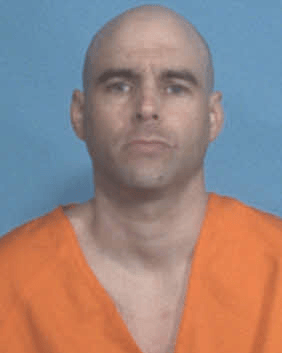
Oct 29, 2018
Amid Questions of Competency, South Dakota to Execute Special-Olympics Defendant Who Gave Up Appeals
The South Dakota Supreme Court has denied motions that sought to delay the October 29, 2018 execution of Rodney Berget (pictured). As the state prepared to execute Berget, the former public defender who represented him at trial took action to fight a prospective legal guardian’s efforts to keep the former Special Olympics participant from being put to death. On Friday, October 26, Juliet Yackel, a Chicago-based lawyer who had been retained in Berget’s state post-conviction proceedings as a…
Read More
Oct 26, 2018
Split Jury Spares Iraq-War Vet in High Profile Virginia Capital Case
A Virginia jury has spared the life of Iraq war veteran Ronald Hamilton (pictured, right, with his father) in the 2016 killings of his wife and a rookie police officer. The jury split 6 – 6 on whether to impose the death penalty for Hamilton’s murder of his wife, Crystal Hamilton, but unanimously agreed to impose a life sentence for the death of Officer Ashley Guindon, who was killed while she responded to Crystal Hamilton’s 911 call. Under Virginia law, the court must impose a life sentence if…
Read More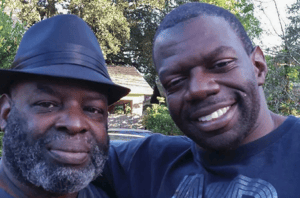
Oct 25, 2018
NEW PODCAST: The Death Penalty and Human Dignity; Lessons From the Anti-Slavery Movement
“[T]he issue of race and the death penalty is not unique to the death penalty, it’s part of the broader problem with the criminal justice system,” says Bharat Malkani (pictured), author of the 2018 book Slavery and the Death Penalty: A Study in Abolition, in a new Discussions With DPIC podcast. In the October 2018 DPIC podcast, Malkani — a senior lecturer in the School of Law and Politics at Cardiff University in the United Kingdom — speaks with DPIC’s executive director Robert Dunham and Ngozi…
Read More
Oct 24, 2018
Study: Racial Disparities in Death Penalty Begin with Investigations and Arrests
A study of more than three decades of homicide arrests suggests that racial disparities in arrests and policing practices introduce an additional layer of bias in the application of the death penalty in the United States. While earlier research has documented that the race of victims affects prosecutors’ decisions to seek the death penalty, and juries’ and judges’ decisions to impose death sentences, a new study by Professors Jeffrey Fagan of Columbia University (pictured, left) and Amanda…
Read More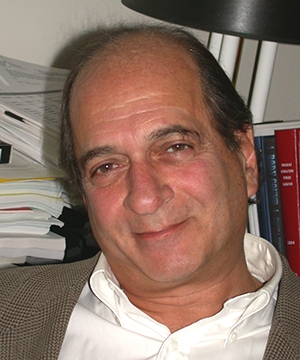
Oct 24, 2018
Following Washington Death Penalty Abolition, Op-eds Encourage Other States to Follow Suit
Following the Washington Supreme Court’s October 11, 2018 decision declaring the state’s death penalty unconstitutional, news outlets have questioned what comes next. Op-ed writers in North Carolina, Texas, and California have responded, urging their states to reconsider their capital punishment laws. The Washington court cited racial bias, “arbitrary decision-making, random imposition of the death penalty, unreliability, geographic rarity, and excessive delays” as reasons why it struck down…
Read More
Oct 22, 2018
Gallup Poll — Fewer than Half of Americans, a New Low, Believe Death Penalty is Applied Fairly
Fewer than half of Americans now believe the death penalty is fairly applied in the United States, according to the 2018 annual Gallup crime poll of U.S. adults, conducted October 1 – 10. The 49% of Americans who said they believed the death penalty was “applied fairly” was the lowest Gallup has ever recorded since it first included the question in its crime poll in 2000. The percentage of U.S. adults who said they believe the death penalty is unfairly applied rose to 45%, the highest since…
Read More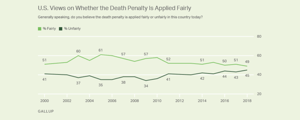
Oct 19, 2018
Texas Court Stays Execution of Mentally Ill Prisoner with Schizophrenia
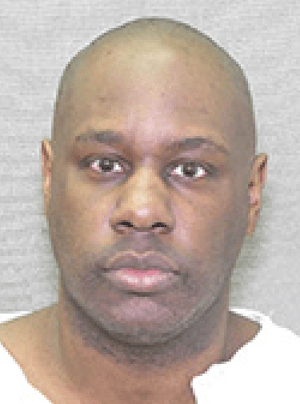
The Texas Court of Criminal Appeals on October 19, 2018 stayed the execution of Kwame Rockwell (pictured), a severely mentally ill death-row prisoner suffering from schizophrenia, who had been scheduled to die on October 24. The court found that Rockwell had raised “substantial doubt that he is not competent to be executed” and reversed a ruling by the Tarrant County District Court that had rejected Rockwell’s competency claim without an evidentiary hearing and without providing funds for him…
Read More