Publications & Testimony
Testimony and Statements on the Death Penalty
FROM DPIC
For testimony by former Executive Director Robert Dunham and former Executive Director Richard C. Dieter, please visit our page DPIC Testimony.
FROM RELIGIOUS LEADERS AND ORGANIZATIONS
- News Brief: Pope Francis Calls for Prayer to Abolish the Death Penalty (September 1, 2022)
- Jewish Congregation Renews Request for Department of Justice to Drop Death Penalty in Tree of Life Synagogue Killings (June 24, 2021)
- Orthodox Church Patriarch Calls Death Penalty Incompatible with Christian Beliefs (October 20, 2020)
- Presbyterian Church (U.S.A.) — Statement on the Federal Death Penalty (August 5, 2019)
- Louisiana Christian Faith Leaders Call for State to Abolish Death Penalty (April 25, 2019)
- Pittsburgh Rabbi’s Wife Opposes Death Penalty for Tree of Life Synagogue Killings (March 18, 2019)
- Orthodox Jewish Organization Calls for an End to Capital Punishment in the U.S. | Death Penalty Information Center (February 17, 2016)
- Baptist Theologian Says Death Penalty Does Not Fit With Christian Theology (March 8, 2016)
- Civil and Human Rights: Death Penalty — Church & Society, The United Methodist Church
- Religious Views: Over 150 Catholic Theologians Call for Repeal of the Death Penalty (September 27, 2011)
- Power Over Life and Death — The Power to Save a Life (January 15, 2005)
- Responsibility, Rehabilitation, and Restoration: A Catholic Perspective on Crime and Criminal Justice (November 2000)
- The Challenge of Holiness: A Sermon on the Death Penalty (January 10, 2000)
- General Assembly of the Texas Conference of Churches — Resolution Opposing the Death Penalty (February 24, 1998)
- Statement by Catholic Bishops of Texas on Capital Punishment (October 20, 1997)
- Catholic Church Expresses Strong Opposition to Capital Punishment in Catechism (September 9, 1997)
- Catholic Bishops of Iowa Issue Statement on Death Penalty (February 4, 1998)
- To End the Death Penalty: A Report of the National Jewish/Catholic Consultation
- Transcript of Dr. Pat Robertson’s Speech on the Role of Religion and the Death Penalty at The College of William and Mary
- Collection of Official Catholic Statements on the Death Penalty (1980)
FROM THE INTERNATIONAL COMMUNITY
- UN experts call for universal abolition of the death penalty | OHCHR (October 9, 2023)
- Zambia Becomes 25th Sub-Saharan African Nation to Abolish Death Penalty (December 23, 2022)
- Belgium Wants a World Without the Death Penalty (October 20, 2022)
- As France Prepares to Assume Presidency of European Union, Emmanuel Macron Announces Initiative for Worldwide Abolition of Death Penalty (October 11, 2021)
- U.N. Secretary-General, European Union Ambassador Call for Abolition of “Barbaric” Death Penalty (October 11, 2017)
- European Union Calls for Abolition of Capital Punishment as World Coalition Hosts International Death Penalty Conference (June 27, 2017)
- U.N. Investigator Talks About the Future of Solitary and the Death Penalty (November 7, 2016)
- World Congress Against the Death Penalty Renews Call for Global Moratorium, Pope Sends Message of Support (June 27, 2016)
- Declaration by the Presidency on behalf of the European Union on the 400th execution in Texas from the Council of the European Union (August 21, 2007)
- Resolution Supporting Worldwide Moratorium on Executions from the United Nations Commission on Human Rights (April 1999)
- Mary Robinson, U.N. High Commissioner for Human Rights — Message to the Press Conference organized by the Death Penalty Information Center for the release of the report, “International Perspectives on the Death Penalty” (October 12, 1999)
- Status of the International Covenants on Human Rights from the United Nations Commission on Human Rights (April 1998)
FROM ADVOCACY GROUPS
- Advocacy Group Tells Supreme Court that Negative Stereotypes Distort Perception that Latinos in Death-Penalty Cases Pose Future Danger to Society (April 15, 2022)
- Disability Rights Groups, Legal Experts, and Conservative Advocates Urge Supreme Court to Strike Down Georgia’s Uniquely Harsh Proof Requirements in Death-Penalty Intellectual Disabilities Cases (January 11, 2022)
- NAACP Reaffirms Its Support of Abolishing the Death Penalty (2022)
- More Than 80 Civil Rights and Advocacy Organizations Urge President Biden to End Federal Executions | Death Penalty Information Center (February 9, 2021)
- More Than 250 Conservative Leaders Join Call to End Death Penalty (October 29, 2019)
- National Alliance on Mental Illness: The Death Penalty
- Florida League of Women Voters Calls for Halt to Executions (May 28, 2007)
- Victims Organizations Issue Joint Statement for National Victims’ Rights Week (April 19, 2007)
FROM JUDGES, LEGISLATORS, AND OTHER ORGANIZATIONS
- Republican-led Oklahoma committee considers pause on executions amid death case scrutiny (October 5, 2023)
- Former Pro-Death Penalty District Attorney Explains Why He Now Supports Abolition, and Fears Political Promises to Expand the Use of the Death Penalty (August 20, 2023)
- Pressley, Durbin Reintroduce Bill to End the Federal Death Penalty (July 13, 2023)
- The Lancet Editorial: Physician Involvement in Executions Violates Medical Ethics | Death Penalty Information Center (May 20, 2023)
- APA calls for extending ineligibility for the death penalty to adolescent offenders younger than age 21 (August 4, 2022)
- Why some Republicans are turning against the death penalty | Ron Ferguson | Ohio House of Representatives (March 8, 2022)
- Eight years on Texas’ highest criminal court turned Elsa Alcala into a death penalty skeptic. How will the court change without her? (January 26, 2019)
- AMA to Supreme Court: Doctor participation in executions unethical (August 22, 2018)
- Former Governor Bill Richardson: Death Penalty Is Bad for Business, Out of Step With World’s Views (June 16, 2017)
- Capital Punishment and Nurses’ Participation in Capital Punishment (2016)
- Former Ohio Attorney General Jim Petro Says Death Penalty Unfixable, “Not Worth It Any More” (September 12, 2016)
- Resolution Supporting Repeal of the Death Penalty, National Hispanic Caucus of State Legislators (August 11, 2016)
- Retired Police Captain Says Repealing Death Penalty Is “Smart on Crime” (November 24, 2014)
- Resolution Supporting Abolition of the Death Penalty, Natl. Assoc. of Black Psychologists (2012)
- The Road to Justice and Peace by New Jersey State Senator Raymond Lesniak (February 1, 2009)
- Statement On The Federal Death Penalty System by Senator Feingold (June 7, 2001)
- Statement on the Need for a Federal Moratorium on the Death Penalty Senator Feingold (October 29, 2000)
- Death Penalty: The Torah and Today (August 23, 2000)
- Press Release for Senator Russ Feingold’s Introduction of Senate’s First Death Penalty Moratorium Bill (April 20, 2000)
- Amnesty International Southern Regional Conference: Orlando, Florida Remarks by Former Florida Chief Justice Gerald Kogan (October 23, 1999)
- American Bar Association Resolution on the Death Penalty (February 3, 1997)
FROM MURDER VICTIMS’ FAMILY MEMBERS
Items: 71 — 80
Jun 25, 2026
“The Last 12 Weeks” Podcast Illuminates the Work of a Texas Capital Defense Team
On June 18, 2026, The Marshall Project released “The Last 12 Weeks,” a podcast series detailing the weeks leading up to David Wood’s 2025 execution date in Texas. The series follows Mr. Wood’s defense team as they re-investigate his case and identify evidence overlooked by state prosecutors at trial. Hosted and reported by Maurice Chammah from The Marshall Project and Alvin Melathe from Serial Productions, the series gives a dynamic account of the usually private perspective of capital defense…
Read MoreJun 24, 2026
Jordan Resumes Executions After 9‑Year Hiatus with the Hanging of 6 Men
On June 21, 2026, Jordan performed its first executions since March 2017, hanging six men convicted of terrorism-related or drug-trafficking charges on a single day, all accused of directly or indirectly causing the deaths of law enforcement or security forces. On the same day the executions were carried out, Prime Minister Jafar Hassan announced during a cabinet session that Parliament intends to expand capital crimes to include “major drug traffickers and smugglers operating in coordination…
Read MoreJun 23, 2026
“Epic Fail”: Researchers Find Systemic Problems Persist, with Fewer Than 1 in 5 Death Sentences Ending in Execution
An in-depth analysis published by The Marshall Project, in partnership with The Guardian, finds that 50 years after the U.S. Supreme Court’s landmark decision in Gregg v. Georgia, the American death penalty has failed to deliver on the measures its architects outlined. Drawing on data gathered by University of North Carolina professor Frank Baumgartner and the Death Penalty Information Center, the study examined more than 9,000 death sentences imposed since states redrafted their capital…
Read MoreJun 22, 2026
States Continue to Push for Execution Secrecy Amid Legal Challenges
For the past 15 years, as state after state has passed execution secrecy laws, the public has faced more questions than answers about how elected officials use their taxpayer dollars for the most serious punishment. Every active death penalty state now has a law shielding key information about executions, such as the source of lethal injection drugs, the identities of execution team members, and whether those individuals have adequate training. In 2026, as botched executions continue to make…
Read More
Jun 18, 2026
Former Death Penalty Supporter Ohio Governor Mike DeWine Urges Abolition of the Death Penalty
Ohio Governor Mike DeWine (pictured), a Republican, said on June 16, 2026 that he now believes Ohio should abolish the death penalty. Gov. DeWine helped to write the state’s death penalty law while serving as a state legislator in 1981, but has halted executions during his time as governor, citing concerns about the state’s lethal injection protocol. In a statement, Gov. DeWine described his 50 years of reflection about the death penalty, beginning with his positions in the Ohio legislature…
Read More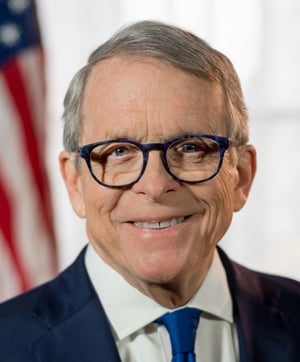
Jun 17, 2026
U.S. Supreme Court Refuses to Consider Fairness of Hypnotizing Key Prosecution Witness in Texas Death Penalty Case
On June 15, 2026, the United States Supreme Court declined to consider the appeal of Texas death-sentenced prisoner Charles Flores, whose death sentence was obtained through the use of a hypnotized prosecution witness. Mr. Flores has spent more than 25 years on death row for a murder he maintains he did not commit. His conviction relied on the testimony of a neighbor who identified him — for the first time, at trial — only after being hypnotized by police. Mr. Flores argued in his petition that his…
Read More
Jun 16, 2026
New Poll Shows More Americans View the Death Penalty as Morally Unacceptable
The percentage of Americans who find the death penalty morally unacceptable has risen to 39%, while the percentage who find it acceptable has fallen to a record low, according to a new poll released by Gallup on June 9, 2026. A slight majority (52%) of respondents to Gallup’s annual Values and Beliefs poll said that they still consider the death penalty morally acceptable, down from the previous record-low of 54% in the organization’s 2020 survey. Support has fallen drastically in the last two…
Read More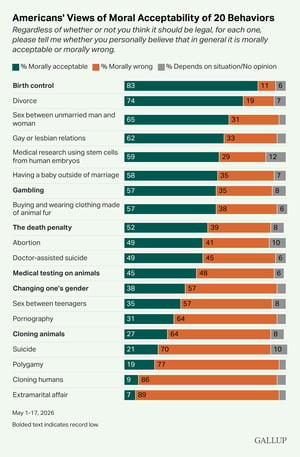
Jun 15, 2026
California Racial Justice Act Results in Death Sentence Reversal for Black Man Characterized by Prosecutors as a ‘Bengal Tiger’
On June 1, 2026, the California Supreme Court reversed the death sentence of Anthony Bankston under the retroactive application of the California Racial Justice Act (CRJA) – the first capital punishment reversal under this Act in California’s history. The opinion asserts: “In light of the passage of the RJA, we now make clear that, whatever the intent behind telling the story may be, the Bengal tiger story should no longer be told in California courtrooms. We have previously cautioned that…
Read More
Jun 12, 2026
Amnesty International Global Report (2025): 78% Increase in Executions Globally Mark Highest Number Since 1981
According to Amnesty International’s annual death penalty report, 17 countries carried out a total of at least 2,707 executions in 2025. Although the low number of executing countries was consistent with the annual total of 20 executing countries or fewer since 2018, the number of executions marked the highest global total since 1981. The 78% increase in known executions from 2024 to 2025 was primarily driven by Iran, which accounted for 80% of the global total and increased by 122% compared to…
Read MoreJun 11, 2026
Alabama Federal Judges Block State from Using Nitrogen Gas to Execute Jeffery Lee
[Update 9:17pm ET, June 11, 2026: The U.S. Supreme Court denied Alabama’s appeal. Mr. Lee’s execution will not proceed as scheduled.] On June 9, 2026, an Alabama federal district judge “permanently enjoined” state officials from using nitrogen gas to execute death-sentenced prisoner Jeffery Lee after finding that the state’s nitrogen execution protocol violates the Eighth Amendment’s prohibition on cruel and unusual punishment. Judge Emily Marks issued her ruling after the U.S. Court of…
Read More