Overview
Tragically, every capital murder case involves at least one deceased victim. Vindication for victims and closure for victims’ families are often held out as primary reasons for supporting the death penalty. However, many people in this circumstance believe that another killing would not bring closure and that the death penalty is a disservice to victims.
The families and associates of the victims (sometimes called “covictims”) can play a key role in how a case proceeds in the courts. The prosecution may consult with the families on whether to seek the death penalty or to accept a plea to a lesser sentence. If death is pursued, family members may be asked to testify at the sentencing phase to describe the impact the murder has had on their own lives. Victims’ families often speak at legislative hearings on the death penalty, both in favor of and in opposition to a death penalty statute.
Statistically, the race of the victim can be relevant to the issues of arbitrary application and racial discrimination in the death penalty. Studies have shown that death cases disproportionately involve white victims in the underlying murder.
The Issue
Victims’ family members who oppose the death penalty are sometimes ignored if the prosecution is intent on seeking the most extreme punishment. In addition, victim impact statements at sentencing proceedings can be so dramatic and powerful as to overwhelm any mitigating factors presented about the defendant’s life history.
What DPI Offers
DPI keeps track of the race and gender of all victims in cases where there has been an execution. The voices of victims’ families are highlighted as offering an important and unique perspective on the death penalty.
News & Developments
News
Sep 30, 2026
Arizona Co-Victims Speak Out, Wanting Death Penalty Money Redirected

During a local news conference on September 21, 2026, family members of homicide victims whose cases remain unsolved in Arizona called for sustained attention and resources for unsolved homicide cases. The call, supported by Arizonans for Effective Public Safety — a project of Death Penalty Alternatives for Arizona — comes amid broader questions about the costs and effectiveness of capital punishment in Arizona, and whether resources devoted to capital punishment and felony murder prosecutions…
Read MoreNews
Aug 13, 2026
DPI Podcast 12:01 The Death Penalty in Context: Rafiah Muhammad-McCormick on Violence Prevention and the Death Penalty
In the August 2026 episode of 12:01: The Death Penalty in Context, DPI Racial Justice Storyteller Taylor Bonner speaks with Rafiah Muhammad-McCormick (pictured left), Director of Community Outreach for Tennesseans for Alternatives to the Death Penalty (TADP) and founder of Rodney’s Village, a violence prevention non-profit. A murder victim’s family member and community advocate, Ms. Muhammad-McCormick discusses how the loss of her son shaped her approach to violence prevention and death penalty…
Read More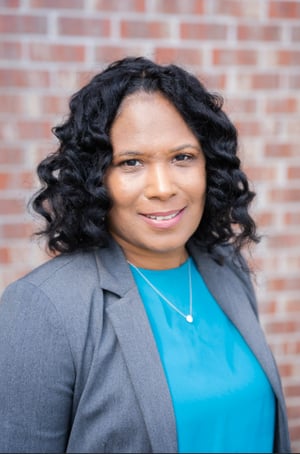
News
Jul 15, 2026
Murder Victim’s Daughter and Faith Leaders Urge Kansas Governor to Commute Death Sentences
In a July 8, 2026 op-ed published in the Kansas Reflector, Celeste Dixon, a retired U.S. Navy reservist and National Park Service employee who lives in Pawnee County, Kansas, calls on Governor Laura Kelly to commute the sentences of the nine men on Kansas’ death row to life without parole. Writing from personal experience, Ms. Dixon notes that nearly 40 years ago, her mother, Marguerite, was murdered in Texas; almost 19 years ago, the individual who killed her mother was executed. Ms. Dixon…
Read MoreNews
Apr 29, 2026
DPI Podcast 12:01 The Death Penalty in Context: Sherrerd Hartness on Victims’ Needs, Trauma, and the Limits of the Death Penalty
In the April 2026 episode of 12:01: The Death Penalty in Context, DPI Managing Director Anne Holsinger speaks with Sherrerd Hartness, a writer and speaker who advocates for victims’ families and co-victims of murder. In 1977, Ms. Hartness’s sister, Carlotta, was killed — an experience that shaped her understanding of the long-term emotional impact of violent crime on families and communities. Her work now focuses on raising awareness about the needs of co-victims and the emotional challenges they…
Read More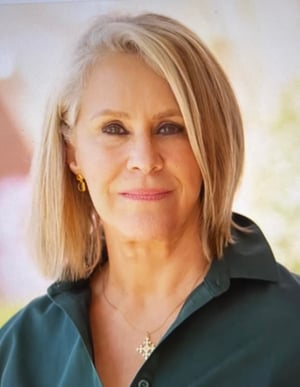
News
Dec 11, 2025
Tennessee Co-Victim Says Capital Punishment is Not Restorative
“We don’t need more death. We need more care.” — Anna Lee, victim family member
- In a December 9, 2025, opinion article in The Tennessean, Anna Lee, a murder-victim family member whose beloved great-uncle’s killer, Nick Sutton, was executed six years ago explains how the death penalty has not brought her family healing or justice. In the piece, Ms. Lee compassionately describes the long-term emotional and financial toll the capital punishment system imposes…