Publications & Testimony
Testimony and Statements on the Death Penalty
FROM DPIC
For testimony by former Executive Director Robert Dunham and former Executive Director Richard C. Dieter, please visit our page DPIC Testimony.
FROM RELIGIOUS LEADERS AND ORGANIZATIONS
- News Brief: Pope Francis Calls for Prayer to Abolish the Death Penalty (September 1, 2022)
- Jewish Congregation Renews Request for Department of Justice to Drop Death Penalty in Tree of Life Synagogue Killings (June 24, 2021)
- Orthodox Church Patriarch Calls Death Penalty Incompatible with Christian Beliefs (October 20, 2020)
- Presbyterian Church (U.S.A.) — Statement on the Federal Death Penalty (August 5, 2019)
- Louisiana Christian Faith Leaders Call for State to Abolish Death Penalty (April 25, 2019)
- Pittsburgh Rabbi’s Wife Opposes Death Penalty for Tree of Life Synagogue Killings (March 18, 2019)
- Orthodox Jewish Organization Calls for an End to Capital Punishment in the U.S. | Death Penalty Information Center (February 17, 2016)
- Baptist Theologian Says Death Penalty Does Not Fit With Christian Theology (March 8, 2016)
- Civil and Human Rights: Death Penalty — Church & Society, The United Methodist Church
- Religious Views: Over 150 Catholic Theologians Call for Repeal of the Death Penalty (September 27, 2011)
- Power Over Life and Death — The Power to Save a Life (January 15, 2005)
- Responsibility, Rehabilitation, and Restoration: A Catholic Perspective on Crime and Criminal Justice (November 2000)
- The Challenge of Holiness: A Sermon on the Death Penalty (January 10, 2000)
- General Assembly of the Texas Conference of Churches — Resolution Opposing the Death Penalty (February 24, 1998)
- Statement by Catholic Bishops of Texas on Capital Punishment (October 20, 1997)
- Catholic Church Expresses Strong Opposition to Capital Punishment in Catechism (September 9, 1997)
- Catholic Bishops of Iowa Issue Statement on Death Penalty (February 4, 1998)
- To End the Death Penalty: A Report of the National Jewish/Catholic Consultation
- Transcript of Dr. Pat Robertson’s Speech on the Role of Religion and the Death Penalty at The College of William and Mary
- Collection of Official Catholic Statements on the Death Penalty (1980)
FROM THE INTERNATIONAL COMMUNITY
- UN experts call for universal abolition of the death penalty | OHCHR (October 9, 2023)
- Zambia Becomes 25th Sub-Saharan African Nation to Abolish Death Penalty (December 23, 2022)
- Belgium Wants a World Without the Death Penalty (October 20, 2022)
- As France Prepares to Assume Presidency of European Union, Emmanuel Macron Announces Initiative for Worldwide Abolition of Death Penalty (October 11, 2021)
- U.N. Secretary-General, European Union Ambassador Call for Abolition of “Barbaric” Death Penalty (October 11, 2017)
- European Union Calls for Abolition of Capital Punishment as World Coalition Hosts International Death Penalty Conference (June 27, 2017)
- U.N. Investigator Talks About the Future of Solitary and the Death Penalty (November 7, 2016)
- World Congress Against the Death Penalty Renews Call for Global Moratorium, Pope Sends Message of Support (June 27, 2016)
- Declaration by the Presidency on behalf of the European Union on the 400th execution in Texas from the Council of the European Union (August 21, 2007)
- Resolution Supporting Worldwide Moratorium on Executions from the United Nations Commission on Human Rights (April 1999)
- Mary Robinson, U.N. High Commissioner for Human Rights — Message to the Press Conference organized by the Death Penalty Information Center for the release of the report, “International Perspectives on the Death Penalty” (October 12, 1999)
- Status of the International Covenants on Human Rights from the United Nations Commission on Human Rights (April 1998)
FROM ADVOCACY GROUPS
- Advocacy Group Tells Supreme Court that Negative Stereotypes Distort Perception that Latinos in Death-Penalty Cases Pose Future Danger to Society (April 15, 2022)
- Disability Rights Groups, Legal Experts, and Conservative Advocates Urge Supreme Court to Strike Down Georgia’s Uniquely Harsh Proof Requirements in Death-Penalty Intellectual Disabilities Cases (January 11, 2022)
- NAACP Reaffirms Its Support of Abolishing the Death Penalty (2022)
- More Than 80 Civil Rights and Advocacy Organizations Urge President Biden to End Federal Executions | Death Penalty Information Center (February 9, 2021)
- More Than 250 Conservative Leaders Join Call to End Death Penalty (October 29, 2019)
- National Alliance on Mental Illness: The Death Penalty
- Florida League of Women Voters Calls for Halt to Executions (May 28, 2007)
- Victims Organizations Issue Joint Statement for National Victims’ Rights Week (April 19, 2007)
FROM JUDGES, LEGISLATORS, AND OTHER ORGANIZATIONS
- Republican-led Oklahoma committee considers pause on executions amid death case scrutiny (October 5, 2023)
- Former Pro-Death Penalty District Attorney Explains Why He Now Supports Abolition, and Fears Political Promises to Expand the Use of the Death Penalty (August 20, 2023)
- Pressley, Durbin Reintroduce Bill to End the Federal Death Penalty (July 13, 2023)
- The Lancet Editorial: Physician Involvement in Executions Violates Medical Ethics | Death Penalty Information Center (May 20, 2023)
- APA calls for extending ineligibility for the death penalty to adolescent offenders younger than age 21 (August 4, 2022)
- Why some Republicans are turning against the death penalty | Ron Ferguson | Ohio House of Representatives (March 8, 2022)
- Eight years on Texas’ highest criminal court turned Elsa Alcala into a death penalty skeptic. How will the court change without her? (January 26, 2019)
- AMA to Supreme Court: Doctor participation in executions unethical (August 22, 2018)
- Former Governor Bill Richardson: Death Penalty Is Bad for Business, Out of Step With World’s Views (June 16, 2017)
- Capital Punishment and Nurses’ Participation in Capital Punishment (2016)
- Former Ohio Attorney General Jim Petro Says Death Penalty Unfixable, “Not Worth It Any More” (September 12, 2016)
- Resolution Supporting Repeal of the Death Penalty, National Hispanic Caucus of State Legislators (August 11, 2016)
- Retired Police Captain Says Repealing Death Penalty Is “Smart on Crime” (November 24, 2014)
- Resolution Supporting Abolition of the Death Penalty, Natl. Assoc. of Black Psychologists (2012)
- The Road to Justice and Peace by New Jersey State Senator Raymond Lesniak (February 1, 2009)
- Statement On The Federal Death Penalty System by Senator Feingold (June 7, 2001)
- Statement on the Need for a Federal Moratorium on the Death Penalty Senator Feingold (October 29, 2000)
- Death Penalty: The Torah and Today (August 23, 2000)
- Press Release for Senator Russ Feingold’s Introduction of Senate’s First Death Penalty Moratorium Bill (April 20, 2000)
- Amnesty International Southern Regional Conference: Orlando, Florida Remarks by Former Florida Chief Justice Gerald Kogan (October 23, 1999)
- American Bar Association Resolution on the Death Penalty (February 3, 1997)
FROM MURDER VICTIMS’ FAMILY MEMBERS
Items: 3751 — 3760
Aug 15, 2012
COSTS: Federal Case Reveals High Costs of Death Penalty Prosecutions
The recent federal capital trial of Brian Richardson in Atlanta illustrated the high costs of litigation when the death penalty is sought. Richardson’s case required more than 30 lawyers, and cost hundreds of thousands of dollars in expert witness fees. The U.S. Attorney’s Office assigned eight prosecutors to the case and appointed 20 private attorneys to represent inmates who were testifying against Richardson. The Federal Defender’s Office assigned four attorneys and two investigators to…
Read More
Aug 14, 2012
INNOCENCE: Shujaa Graham, Exonerated and Freed from California’s Death Row, Tells His Story
In a video interview with Voice of America, former death row inmate Shujaa Graham discusses the emotional toll of being wrongly convicted and sentenced to death in California in 1976. Graham was convicted of the murder of a prison guard during a protest and spent five years on death row before being acquitted of the crime. He went through four trials, only one of which resulted in a guilty verdict. He first went to prison for a robbery conviction, which was also overturned, at age 18. Graham…
Read MoreAug 13, 2012
IN MEMORIAM: Hugo Adam Bedau
Long-time death penalty scholar Hugo Adam Bedau died on August 13, 2012 . Dr. Bedau had been the Austin B. Fletcher Professor of Philosophy at Tufts University, and is best known for his work on capital punishment. Dr. Bedau frequently testified about the death penalty before the U.S. Congress and many state legislatures. He authored several books about the death penalty, including The Death Penalty in America (1964; 4th edition, 1997), The Courts, the Constitution, and Capital Punishment…
Read More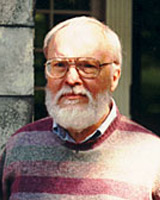
Aug 10, 2012
COSTS: Why the Death Penalty Costs So Much
Death penalty cases cost more than ordinary cases because all the lawyers, judges, and other personnel will put more hours into preparing, trying, and reviewing the issues, given that a life is at stake. Jack D’Aurora (pictured) of the Behal Law Group, writing in The Columbus Dispatch, described the time put in by just one federal judge in Ohio reviewing a capital case towards the end of its appeal, including the lethal injection process: “Hearings are attended, at a minimum, by three assistant…
Read More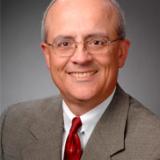
Aug 09, 2012
Pennsylvania Readies First Non-Volunteer Execution Since 1978; Defendant Killed Sexual Abusers
On August 8, Governor Tom Corbett of Pennsylvania signed an execution warrant for Terrance Williams for the 1984 murder of Amos Norwood. The execution was set for October 3. Although Gov. Corbett has signed 15 previous death warrants, all of those dates have been stayed because the defendant had not completed the ordinary appeals process. Williams’ death sentence and conviction, however, were affirmed by the federal Court of Appeals and his case was denied review by the U.S. Supreme Court.
Read More
Aug 08, 2012
STUDIES: Colorado’s Death Penalty Rarely Applied and Arbitrary
A new study conducted by law professors Justin Marceau (left) and Sam Kamin (middle) of the University of Denver and Wanda Foglia (right) of Rowan University found that the death penalty in Colorado is applied so rarely as to render the system unconstitutional. The authors concluded that Colorado’s death penalty law is applicable to almost all first-degree murders, but is imposed so infrequently that it fails to provide the kind of careful narrowing of cases required by the Supreme Court in…
Read More
Aug 07, 2012
NEW VOICES: Former California Justice Now Says Death Penalty Is Broken Beyond Repair
Carlos Moreno, who served as a Justice on California’s Supreme Court for nearly a decade and upheld more than 200 death sentences, now supports a ballot measure to replace the death penalty with a sentence of life without parole because the system is broken and unlikely to be fixed. Justice Moreno said that as long as capital defendants are “entitled to a fair trial and decent legal representation, there’s no way the system can accomplish its stated goals — punishment and deterrence for the…
Read More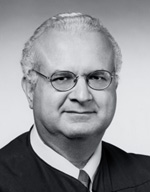
Aug 06, 2012
INTERNATIONAL: Inter-American Commission on Human Rights Calls for Hold on Executions
On August 3, the Inter-American Commission on Human Rights (IACHR) of the Organization of American States (OAS), which includes the U.S., called for a moratorium on executions in the region and released a report reviewing key areas of concern about the death penalty. The report made a series of recommendations for member States, including: — States should refrain from any measure that would expand the application of the death penalty or reintroduce it, — States should take any measures…
Read More
Aug 04, 2012
Use of the Death Penalty in California Declines in Key Counties
Use of the death penalty in California has declined in recent years. There have been no executions in six years, and the number of death sentences in 2011 dropped sharply from previous years. District Attorney Mark Peterson of Contra Costa County said his office tries to be smart on crime rather than automatically seeking death. “People here want us to be tough on crime, but they want us to be smart on crime,” he said. “Even though we might personally believe a defendant deserves the death…
Read More
Aug 03, 2012
Thirty-two Years After Crime, High-Profile Texas Death Case Ends with Life Sentence
On August 1, Delma Banks Jr., one of the longest serving inmates in Texas death-penalty history, received a life sentence and will be eligible for parole in 2024 under a plea agreement with prosecutors. Banks was convicted by an all-white jury of a 1980 murder, but there were no witnesses to the killing and no physical evidence linking Banks to it. The prosecution’s case relied largely on the testimony of two informants, both admitted drug users. In 1999, almost 20 years after the trial, Banks’…
Read More